.jpg)
Vitiligo is a long-term skin condition in which the skin loses its natural pigment, leaving white patches, white spots, or areas of skin that look noticeably lighter than the skin around them. If you have just noticed a patch of skin losing color and you are trying to work out what it is, this guide covers everything from first symptoms to treatment options.
The short version: vitiligo is an autoimmune condition that affects 1–2% of people worldwide. It is not contagious and it is not dangerous to your physical health. There is no cure for vitiligo yet — but that does not mean there is nothing you can do. With a consistent, well-structured routine, it can be slowed down, stabilized, and in many cases visibly improved. Our vitiligo treatment protocol shows you how, step by step.
What Is Vitiligo?
Vitiligo is an acquired skin depigmentation disorder. The cells that give your skin its color — melanocytes — stop working or disappear from an area of skin. Because those cells produce melanin, the pigment responsible for skin, hair, and eye color, the skin left behind turns pale, then milky white. The result is the white patches, white spots, and areas of discolored skin that most people notice first.
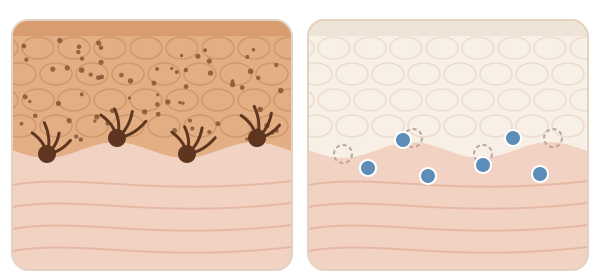
Healthy skinMelanocytes make melanin
Vitiligo patchMelanocytes are gone
- Melanocyte
- Melanin
- Immune cell (T cell)
- Lost cell
The skin itself stays healthy. It is smooth, it does not scale or thicken, it does not itch, and it does not hurt. That is one of the clearest signals separating vitiligo from many other conditions that also cause lighter patches of skin.
Some key facts:
- 1–2% of the world's population is affected — roughly 1 in 70 people.
- Ages 10 to 30 is the most common window for onset, though it can begin at any age.
- 30–40% of people with vitiligo have a relative who also has it.
- Around 10% of cases show spontaneous repigmentation — color returning without any treatment at all.
Vitiligo affects men and women equally, and it occurs across every ethnicity and skin tone. It is more visually obvious on darker skin simply because the contrast is greater — not because it is more common or more severe.
Is Vitiligo Contagious?
No. You cannot catch vitiligo, pass it on by touch, or transmit it through any kind of contact. It is not an infection, not a fungus, and not related to hygiene in any way. This is worth stating plainly, because the assumption that white patches on the skin must be catching is one of the most common — and most hurtful — misconceptions people with vitiligo encounter.
A few other things vitiligo is not: it is not skin cancer and does not turn into cancer, it is not caused by anything you ate, and it is not the result of anything you did or failed to do. Vitiligo is an immune and genetic process.
What Causes Vitiligo?
The exact cause has not been fully established. What is certain is the end result: melanocytes stop producing melanin and vanish from the affected area of skin. Three mechanisms are currently proposed, and they are not mutually exclusive — in most people, several probably act together.
1. The autoimmune theory
The most widely accepted explanation. The immune system mistakenly identifies melanocytes as a threat and produces antibodies against its own pigment cells. White blood cells then attack and destroy them. This is why vitiligo is classified as an autoimmune condition, and why it often appears alongside other autoimmune diseases — particularly thyroid disorders.
2. The oxidative stress theory
Melanocytes are unusually vulnerable to oxidative stress — the damage caused by free radicals accumulating faster than the body can neutralize them. Under that pressure, enzymatic processes inside the cell turn destructive and the melanocyte effectively self-destructs. This theory explains why antioxidants such as Superoxide Dismutase (SOD), vitamin E, and selenium are used as nutritional support in vitiligo.
3. The neurohumoral theory
Nerve endings in the skin release chemical messengers called neuromediators when transmitting signals. In some people these substances appear to be toxic to nearby melanocytes. This theory helps explain segmental vitiligo, where depigmentation follows a nerve distribution on one side of the body, and why episodes of severe stress so often precede an outbreak.
Common triggers
A trigger does not create vitiligo on its own — it activates a predisposition that was already present. The three reported most often are:
- Heredity. Between 30% and 40% of people with vitiligo have a relative with the condition. What is inherited is susceptibility, not the disease itself — many people carry the predisposition and never develop white patches.
- Psychological stress. A bereavement, a divorce, a period of burnout, or any sustained emotional strain frequently precedes the first spot. Stress is one of the most commonly reported triggers by patients themselves.
- Physical trauma to the skin. Cuts, burns, sunburn, friction from tight clothing, or repeated rubbing can produce new patches at the injured site. This is known as the Koebner phenomenon, and it is why protecting the skin from injury matters once vitiligo is active.
Hormonal shifts — puberty, pregnancy, childbirth — and exposure to certain industrial chemicals, particularly phenols found in some dyes, adhesives, and rubber products, are also recognized triggers.
Symptoms: What Vitiligo Looks Like
The first symptom of vitiligo is a single white spot on the skin that gradually grows larger. Over weeks or months, more spots may appear, and neighboring patches often merge into wider continuous areas that are sometimes described as maps. Individual spots are medically called macules — flat areas of skin discoloration with no change in texture.
Patches most commonly appear on the hands, fingers, feet, face — especially around the eyes and mouth — and in the genital area. Skin that is regularly exposed to sun or friction tends to be affected first.
Signs that point to vitiligo rather than something else:
- The patch is flat and smooth. No scaling, no thickening, no roughness — the skin's structure is unchanged.
- It does not itch or hurt. Some people notice very mild itching only while a patch is actively spreading.
- The border is distinct. The edge between depigmented and normal skin is usually sharply defined, sometimes slightly darker.
- Hair in the patch may turn white. Body hair, scalp hair, eyebrows, eyelashes, or beard hair growing from a depigmented area often loses its color too.
- It burns easily in the sun. Without melanin, the patch has no natural UV protection and reddens quickly.
If a light patch scales, itches intensely, thickens, or becomes painful, it is more likely another condition. Our guide to other pigmentary disorders of the skin compares the ten conditions most often mistaken for vitiligo.
The Six Types of Vitiligo
Identifying which type you have matters, because it influences how the condition is likely to progress and which treatments tend to work best.
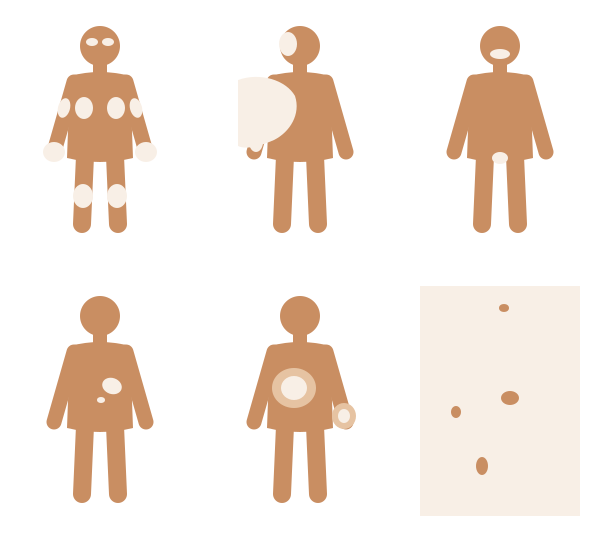
| The six types of vitiligo | |
|---|---|
| Type | How it presents |
| Generalized | The most common form. White patches appear across several parts of the body, usually in a roughly symmetrical pattern — both hands, both knees, both sides of the face. |
| Segmental | Confined to one side or one region of the body, often following a nerve pathway. Typically starts earlier in life, progresses for a while, and then stabilizes. Frequently responds well to treatment. |
| Mucosal | Affects the mucous membranes — the lips, inside the mouth, and the genital area. May occur on its own or alongside other types. |
| Focal | Rare. One or a few small macules in a limited area that remain unchanged for one to two years without spreading further. |
| Trichrome | Shows three distinct color zones: a fully white center, a zone of intermediate lighter pigmentation, and normal surrounding skin. The gradient indicates an actively progressing patch. |
| Universal | Rare. More than 80% of the body surface has lost pigment. At this stage, evening out the remaining pigmented areas is sometimes preferred over repigmentation. |
How Vitiligo Is Diagnosed
In many cases an experienced dermatologist can recognize vitiligo on sight — the flat, sharply bordered, milky-white patches are distinctive. Where there is any doubt, two further steps confirm it.
Wood's lamp examination
A Wood's lamp emits filtered ultraviolet light. In a darkened room, depigmented skin fluoresces a bright chalky white under it, while patches caused by other conditions do not respond the same way. This is the standard method for distinguishing vitiligo from fungal infections, nevus anemicus, nevus depigmentosus, and post-inflammatory pigment loss. It is quick, painless, and non-invasive.
Skin biopsy
Where the picture is still unclear, a small skin sample can be examined histologically. Under the microscope, vitiligo shows a complete absence of melanocytes in the affected area — which is the definitive confirmation.
Blood tests worth asking about
Because vitiligo is autoimmune, it often travels with other autoimmune conditions. A basic screening panel at diagnosis is standard practice and can catch a thyroid problem years before it would otherwise surface.
| Recommended screening at diagnosis | |
|---|---|
| Test | Why it matters |
| Thyroid function (TSH, fT4, anti-TPO) | Thyroid disease is by far the most common companion condition — reported in up to 30% of people with vitiligo. |
| Antinuclear antibodies (ANA) | Screens for broader autoimmune activity, including lupus and connective tissue disease. |
| Complete blood count | Can reveal pernicious anemia, which is associated with vitiligo through vitamin B12 deficiency. |
| Blood glucose / HbA1c | Checks for type 1 diabetes, another autoimmune condition that occurs more frequently alongside vitiligo. |
Conditions reported more frequently in people with vitiligo include autoimmune thyroid disease, type 1 diabetes mellitus, pernicious anemia, rheumatoid arthritis, Crohn's disease, Addison's disease, and systemic lupus erythematosus. This does not mean you will develop any of them — it means periodic screening is sensible.
Vitiligo Treatment Options
There is no cure for vitiligo yet, but there are several well-established routes to partial or full repigmentation. The most effective approach for the great majority of people is a combination: controlled narrowband UVB light, a topical preparation applied before each session, and daily nutritional support. Results take time — expect the first small dots of returning pigment after four to eight weeks, and meaningful change over several months of consistent treatment.

StartWhite patch
4–8 weeksFirst pigment dots
MonthsDots merge
Narrowband UVB phototherapy
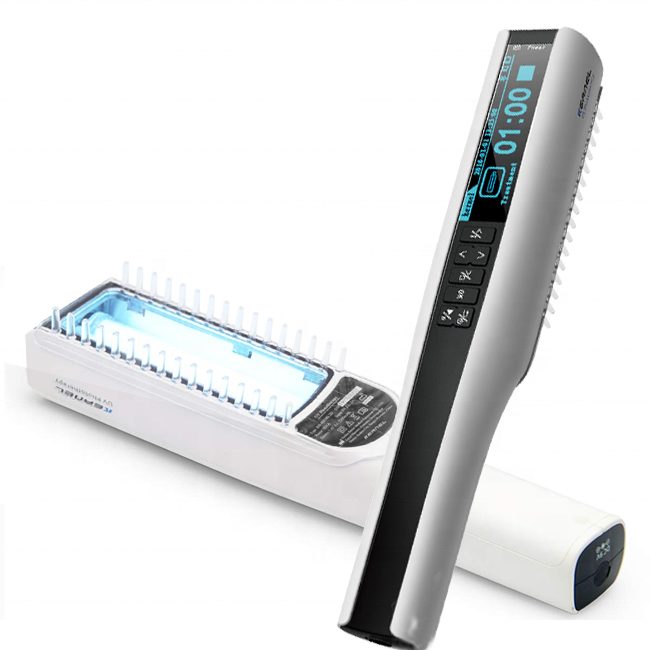
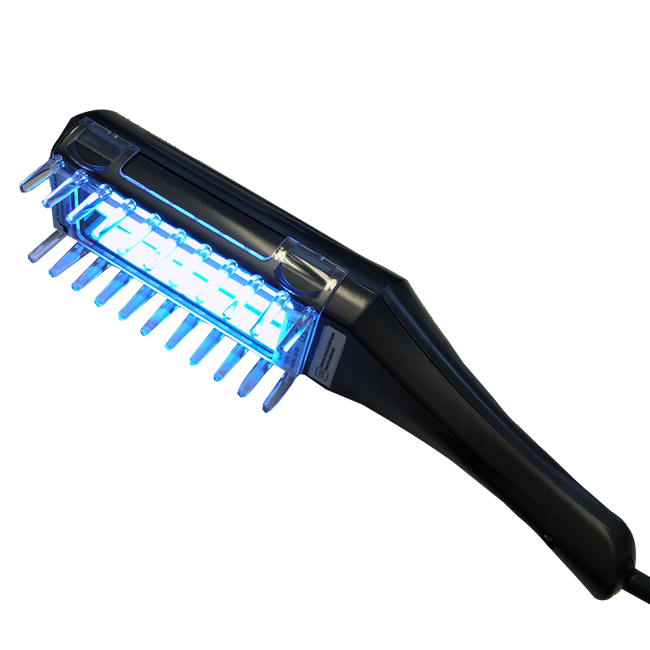
The most clinically proven treatment available. Narrowband UVB light at a wavelength of 311 nm stimulates surviving melanocytes — mostly those sheltered in the hair follicles — to migrate into the depigmented patch and start producing melanin again. Sessions are short, carried out two to three times per week, and home lamps make it practical to keep to that schedule long-term. Exposure starts at around 30 seconds and increases gradually; the target is a very mild pinkness, never a burn.
Topical treatment
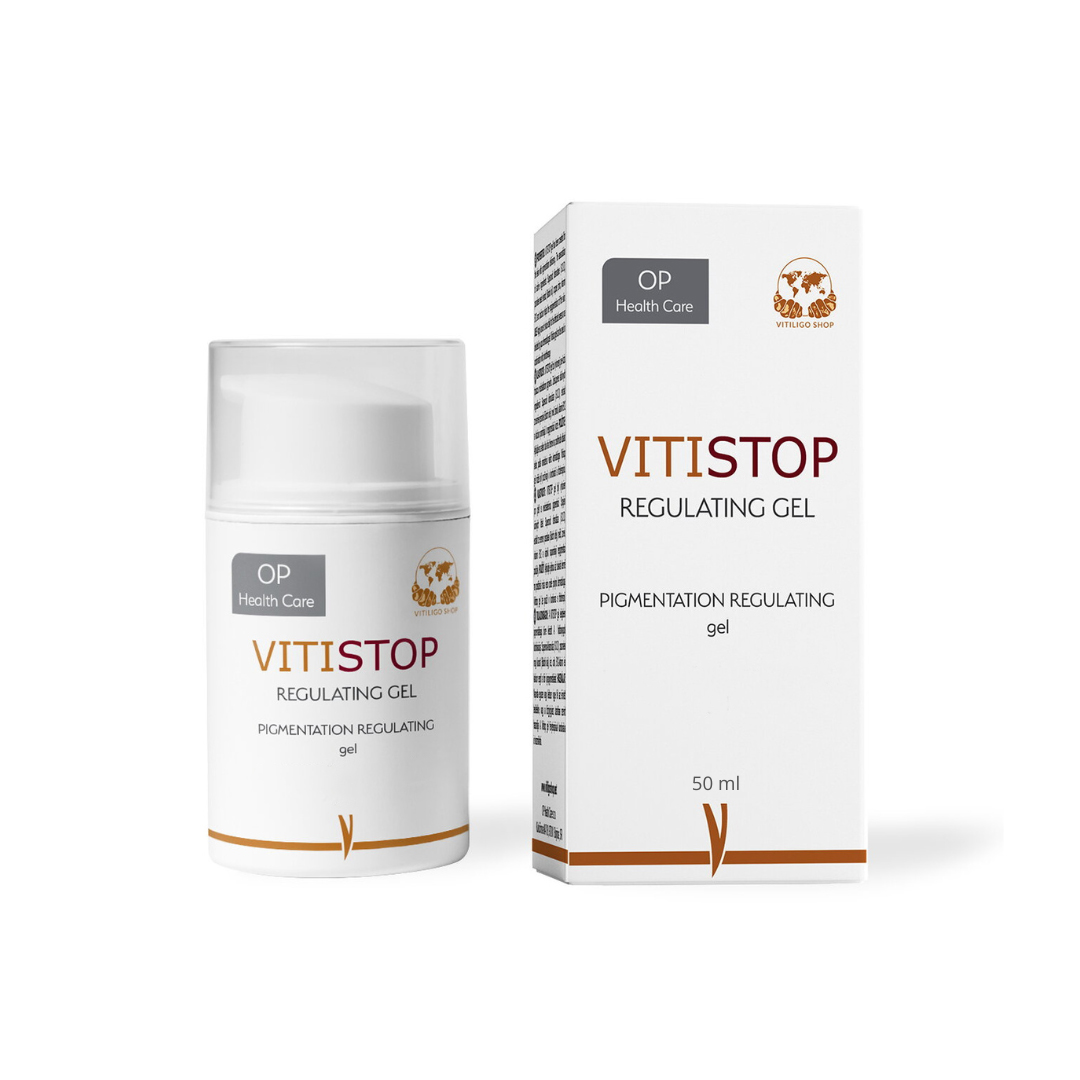
Creams, gels, and ointments applied directly to the white patches. Prescription options include topical corticosteroids, calcineurin inhibitors such as tacrolimus, JAK inhibitors such as ruxolitinib, and psoralens used together with light. Non-prescription gels formulated for vitiligo typically combine Psoralea seed oil (babchi), antioxidant enzymes, and pigment-supporting minerals, and are applied roughly 30 minutes before each light session.
Nutritional support
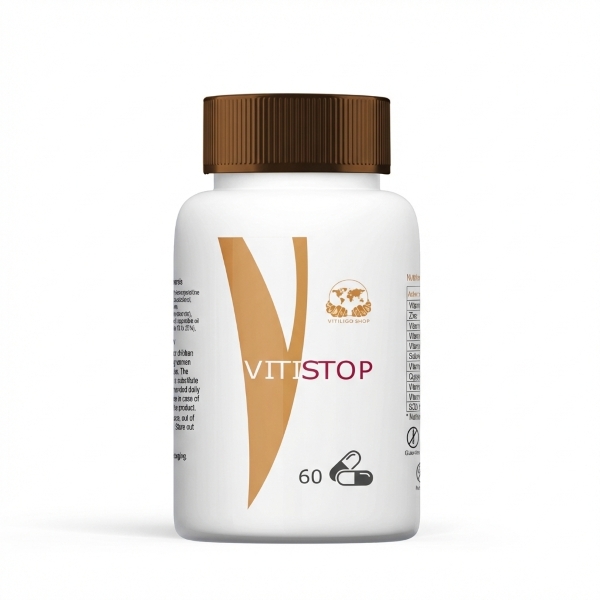
Deficiencies in vitamin D, vitamin B12, zinc, copper, and selenium are documented far more often in people with vitiligo than in the general population, and zinc deficiency alone can cause depigmentation. Targeted supplementation addresses the oxidative stress and nutritional gaps that drive the condition from the inside — it works alongside light therapy rather than in place of it.
Starting out: everything in one kit
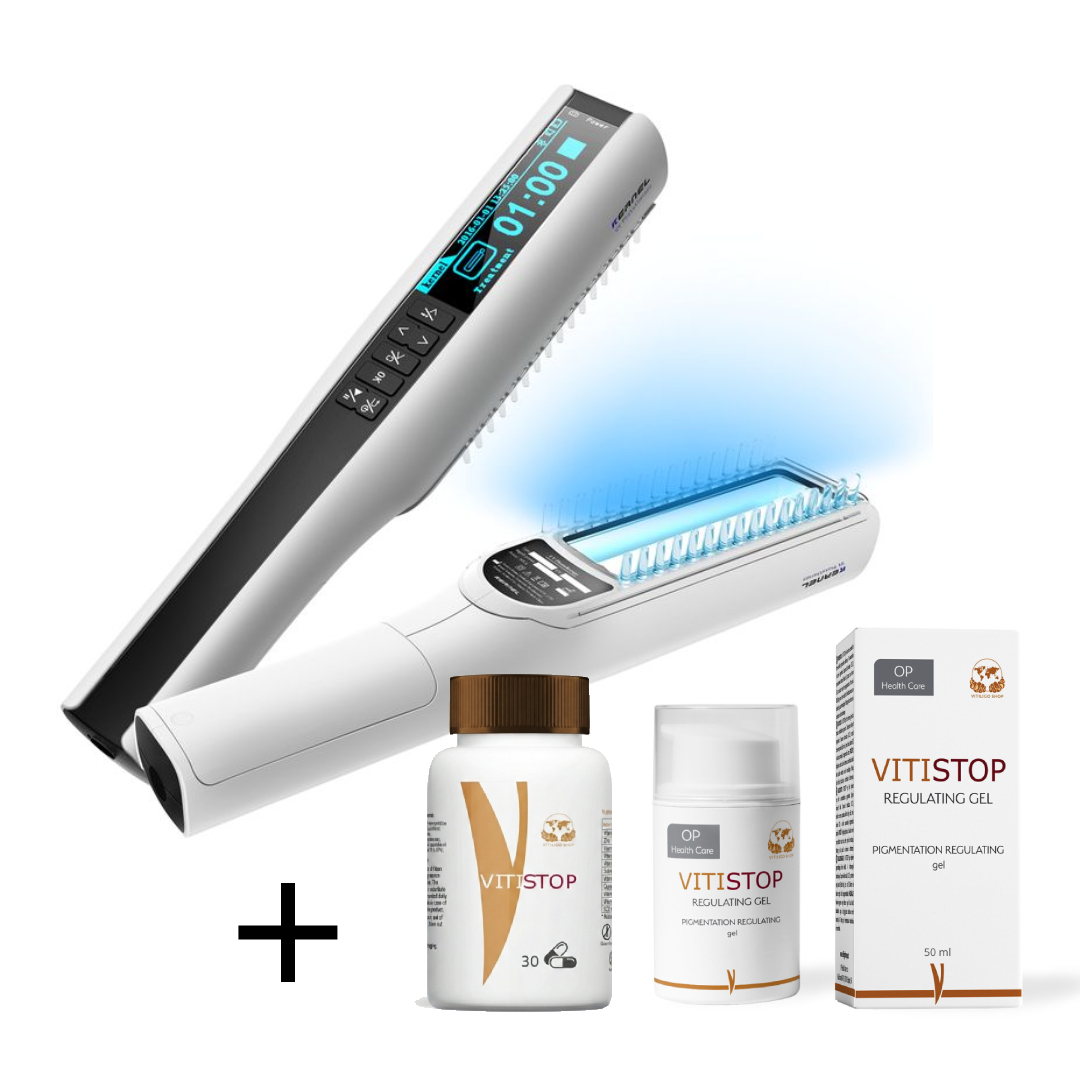
If you are beginning treatment for the first time, a complete kit removes the guesswork — lamp, gel, and tablets together, with nothing missing and nothing to work out.
Surgical, cosmetic, and other options
- Surgical transplantation. For stable vitiligo that has not changed for at least a year and has not responded to light therapy. Techniques include melanocyte and tissue grafting, blister grafting, and cell suspension transplantation, where pigment cells are harvested from healthy skin and transferred to the depigmented area. Possible complications include infection, scarring, graft failure, and uneven or cobblestoned pigmentation.
- Cosmetic camouflage. Waterproof, long-wearing concealers matched to your natural skin tone cover white patches immediately. Nothing about camouflage interferes with medical treatment — many people use it during the months before repigmentation becomes visible. See our camouflage range.
- Complete depigmentation. Considered only when vitiligo covers more than roughly half the body and repigmentation is no longer realistic. The remaining pigmented skin is lightened to match the depigmented areas, producing an even tone. This is permanent and irreversible, and it removes all remaining natural sun protection.
- Micropigmentation (tattooing). Pigment is tattooed into the skin, most often used for the lips and other mucosal areas where phototherapy works poorly. Color matching is difficult, the result fades unevenly over time, and the needling itself can trigger new patches through the Koebner phenomenon.
Ready to put a routine together? Our vitiligo treatment protocol sets out exactly what to do week by week — dosage, timing, how to adjust light exposure, and what to expect month by month.
Complications to Be Aware Of
Vitiligo does not threaten your life or shorten it. But there are a few genuine consequences worth understanding and planning for.
- Sun sensitivity. Depigmented skin has no melanin and therefore no natural UV defense. It burns quickly and severely. Apply SPF 50+ to all affected areas every day you are outdoors — outside your treatment window.
- Eye changes. Melanocytes are also present in the eye. Some people develop abnormalities of the retina or subtle changes in iris color. Vision is usually unaffected, but an eye examination is worth requesting.
- Associated autoimmune conditions. Thyroid disease in particular occurs far more often alongside vitiligo. Periodic blood screening catches these early.
- Hearing. Melanocytes play a role in the inner ear, and mild hearing changes are occasionally reported. This is uncommon and rarely significant.
Vitiligo does not affect fertility, does not affect life expectancy, and does not make you unwell in any general sense.
The Psychological Side
For most people, the hardest part of vitiligo is not physical. White patches on visible areas — the face, the hands, the neck — attract attention, prompt questions, and sometimes provoke unkind reactions from people who assume, wrongly, that the condition is contagious. Shame, self-consciousness, withdrawal from social situations, reduced self-esteem, anxiety, and depression are all common and entirely understandable responses.
This matters clinically, not just emotionally. Stress is one of the recognized triggers for vitiligo progression, which means distress about the condition can feed back into it. Addressing the psychological side is part of treating the condition, not separate from it.
- Talk to someone. A psychologist or counselor experienced with chronic skin conditions can make a substantial difference. This is a well-recognized part of vitiligo care, not an overreaction.
- Find others with vitiligo. Patient communities and support groups remove the sense of isolation faster than almost anything else. Seeing how other people live with the condition changes the picture.
- Use camouflage if you want to — and equally, don't if you don't. Covering patches for a job interview or a wedding is a practical tool, not a failure of self-acceptance. The choice is entirely yours, and it can change day to day.
- Start treatment early. Beyond the medical benefit, having an active plan and seeing measurable progress restores a sense of control that is often the thing people miss most.
Living Well With Vitiligo
A few habits make a real difference over the long run:
- Daily sun protection. SPF 50+ on every depigmented area, all year round. Sunburn damages the patch and can trigger new ones.
- Avoid skin trauma. Tight waistbands, harsh scrubbing, and repeated friction can seed new patches through the Koebner phenomenon.
- Manage stress. Sleep, movement, and whatever genuinely helps you unwind. Stress is a documented trigger for progression.
- Eat for immune balance. Antioxidant-rich vegetables, fruit, legumes, and nuts. See our guide on the effect of diet on vitiligo.
- Be consistent. Repigmentation rewards regularity far more than intensity. Two sessions a week for a year beats daily sessions for a month.
- Photograph your progress. Take comparison photos every four weeks in the same light. Change is gradual and easy to miss otherwise.
This guide provides general information about vitiligo and does not replace a medical diagnosis. If you have noticed white patches on your skin, see a dermatologist for a proper diagnosis before starting any treatment — correctly identifying the condition is the foundation of effective treatment.