

Why does vitiligo treatment work for some people but not others? This is one of the most common questions we hear from our customers. The truth is that repigmentation success depends on a combination of factors — some within your control, some not. Understanding them is the first step to giving yourself the best possible chance.
Below we outline the 11 most common reasons why vitiligo treatment may lose its effectiveness or fail to produce results.
1. Inconsistent Treatment
This is the single most common reason treatment fails. Vitiligo responds slowly — results build up over weeks and months of consistent daily effort. Missing applications, skipping UVB sessions, or stopping when you don't see immediate results will break the process entirely. Melanocytes (the pigment cells being stimulated) need a steady, sustained signal to begin producing melanin again.
Commit for at least 4–6 months before evaluating results. Repigmentation is a slow biological process — patience and consistency are non-negotiable.
2. Incomplete Treatment Protocol
Many patients are prescribed only a single cream by their dermatologist — often without UVB phototherapy, which is the cornerstone of effective vitiligo treatment. A cream or supplement alone is rarely sufficient. The most effective approach combines topical treatment (Vitistop Gel), nutritional support (Vitistop supplements), and UVB light therapy working together synergistically.
3. No UVB Light in the Protocol
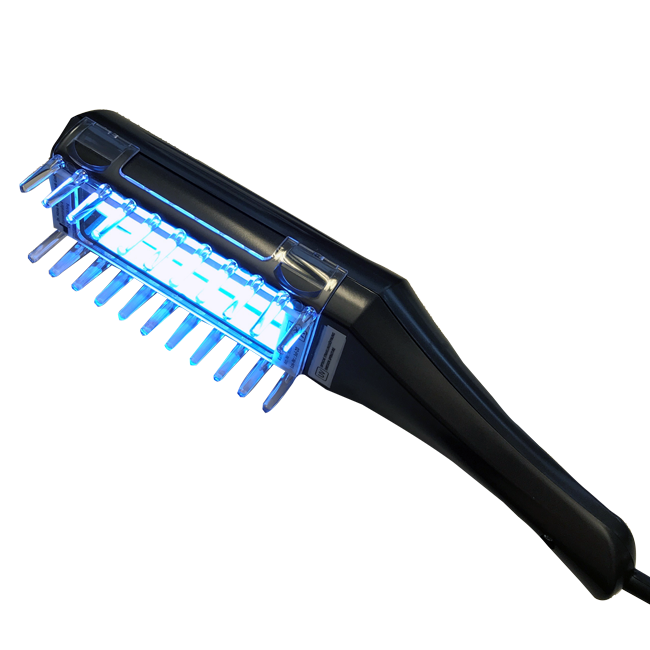
UVB light at 311 nm wavelength is the most clinically proven method to stimulate repigmentation in vitiligo. Without it, the other components of treatment — gels and supplements — produce significantly weaker results. Many patients rely solely on creams or tablets, not realizing that light is the essential missing piece.
UVB phototherapy can be done professionally at a dermatology clinic, or at home with a medical-grade device. Home therapy is often more practical for daily use and has been shown to produce comparable results when used correctly.

4. Incorrect Irradiation Duration
Using UVB for too short a time is a very common mistake. Unlike summer sunlight, narrowband UVB at 311 nm does not cause a visible sunburn sensation on depigmented skin — which can give the false impression that the dose is insufficient or too low. This leads many people to under-treat, thinking they need to see redness for it to work. The correct exposure time should be determined based on skin type and body location, and gradually increased over time.
5. Untreated Associated Autoimmune Conditions
Vitiligo is an autoimmune condition, and it often occurs alongside other autoimmune diseases — most commonly Hashimoto's thyroiditis, type 1 diabetes, or alopecia areata. If these underlying conditions are not being managed, the immune system remains in a heightened attack state that can accelerate vitiligo progression and undermine any treatment effort. Always discuss your full medical history with your dermatologist.
6. Lifestyle & Stress

Chronic stress is one of the most well-documented triggers and aggravators of vitiligo. It disrupts immune regulation and can cause new patches to appear or existing ones to spread. Sleep deprivation, poor diet, and a sedentary lifestyle compound this effect.
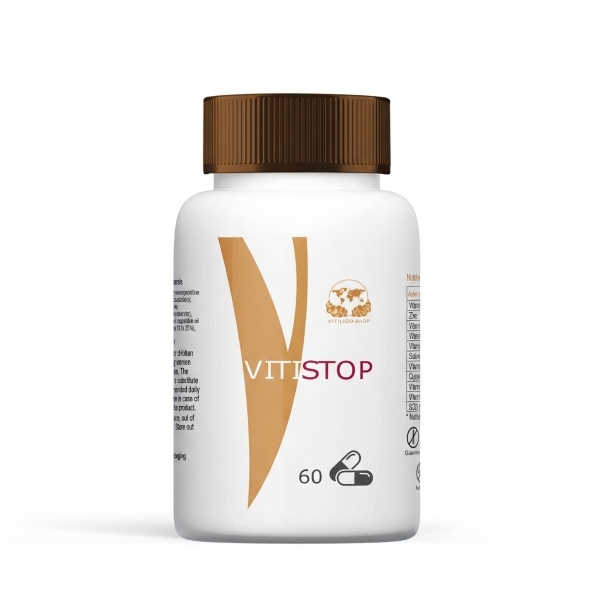
Practical steps that support treatment outcomes include: managing stress through regular exercise or meditation, ensuring adequate sleep, reducing processed foods and alcohol, and supplementing nutrients that vitiligo patients commonly lack — particularly vitamin D3, B12, and antioxidants (Vitistop 60 covers all of these).

7. Aggressive Forms of Vitiligo
Not all vitiligo behaves the same. Some forms — particularly rapidly progressing segmental vitiligo or cases where depigmentation is very extensive and long-standing — are inherently more resistant to treatment. In these situations, repigmentation may be partial or very slow. This is not a reason to give up, but it does require realistic expectations and close collaboration with a specialist.
8. Financial Constraints
Access to a complete treatment protocol — including a quality UVB device, topical gel, and supplements — requires investment. We understand this, which is why we offer bundles that combine the key components at a reduced price. A partial protocol will usually produce partial results; the most effective approach addresses all three pillars simultaneously.
9. Age of the Patient
Younger patients tend to respond better to vitiligo treatment. The melanocyte stem cells responsible for repigmentation are more active and abundant in younger skin. This does not mean treatment is futile in older patients — many adults achieve excellent results — but it does reinforce the importance of starting treatment as early as possible rather than waiting.
10. Extent of Involvement
Small, localized patches (particularly on the face and neck) respond much better than large or widespread involvement across the body. When vitiligo covers a significant percentage of the body surface, treatment becomes more challenging and typically requires a whole-body UVB phototherapy unit rather than a handheld device. The smaller the affected area and the earlier the stage, the better the prognosis.
11. Starting Treatment Too Late
This is perhaps the most important factor of all. Fresh vitiligo patches — those that appeared recently — still have dormant melanocytes present in the area. These cells can be reactivated with the right stimulation. As time passes without treatment, these cells gradually disappear, leaving a "memory void" that makes repigmentation progressively harder to achieve. The longer you wait, the more difficult recovery becomes.
If you've noticed a new white patch, don't wait. Early treatment gives dramatically better results than starting months or years later. Consult a dermatologist as soon as possible and begin a treatment protocol promptly.
The Key Takeaway
Most of the factors above are within your control. Consistency, a complete protocol (light + gel + supplement), early action, and managing overall health will give you the best chance of achieving repigmentation. Vitiligo is a long journey — but with the right approach, meaningful results are possible.