Many people experiencing white patches on their skin, white spots, or skin losing color turn to herbal and natural remedies — particularly when conventional treatments haven't delivered expected results. Vitiligo has been addressed with herbal approaches for centuries, but what does modern science actually say about their effectiveness?
Below we look at what vitiligo patients report from personal experience, what traditional medicine recommends, and what clinical studies have found so far.
Natural Remedies Recommended by Vitiligo Patients
Scientific research on natural vitiligo treatments remains limited. Despite the lack of clinical evidence, many vitiligo patients report being able to manage their condition with home remedies. Those most commonly mentioned include:
- a mixture of lemon and basil extract,
- a mixture of turmeric and mustard oil,
- ginkgo biloba paste.
What Does Traditional Medicine Recommend?
Although herbs and natural treatments will not cure vitiligo, they may help in some cases. The effects of certain plants on vitiligo have been known for thousands of years. Indian physicians treated vitiligo patients by rubbing their skin with ammi majus (parasca) — a plant containing psoralen — and then exposing them to sunlight. Egyptian practitioners took a similar approach, administering a broth made from the same plant before sun exposure.
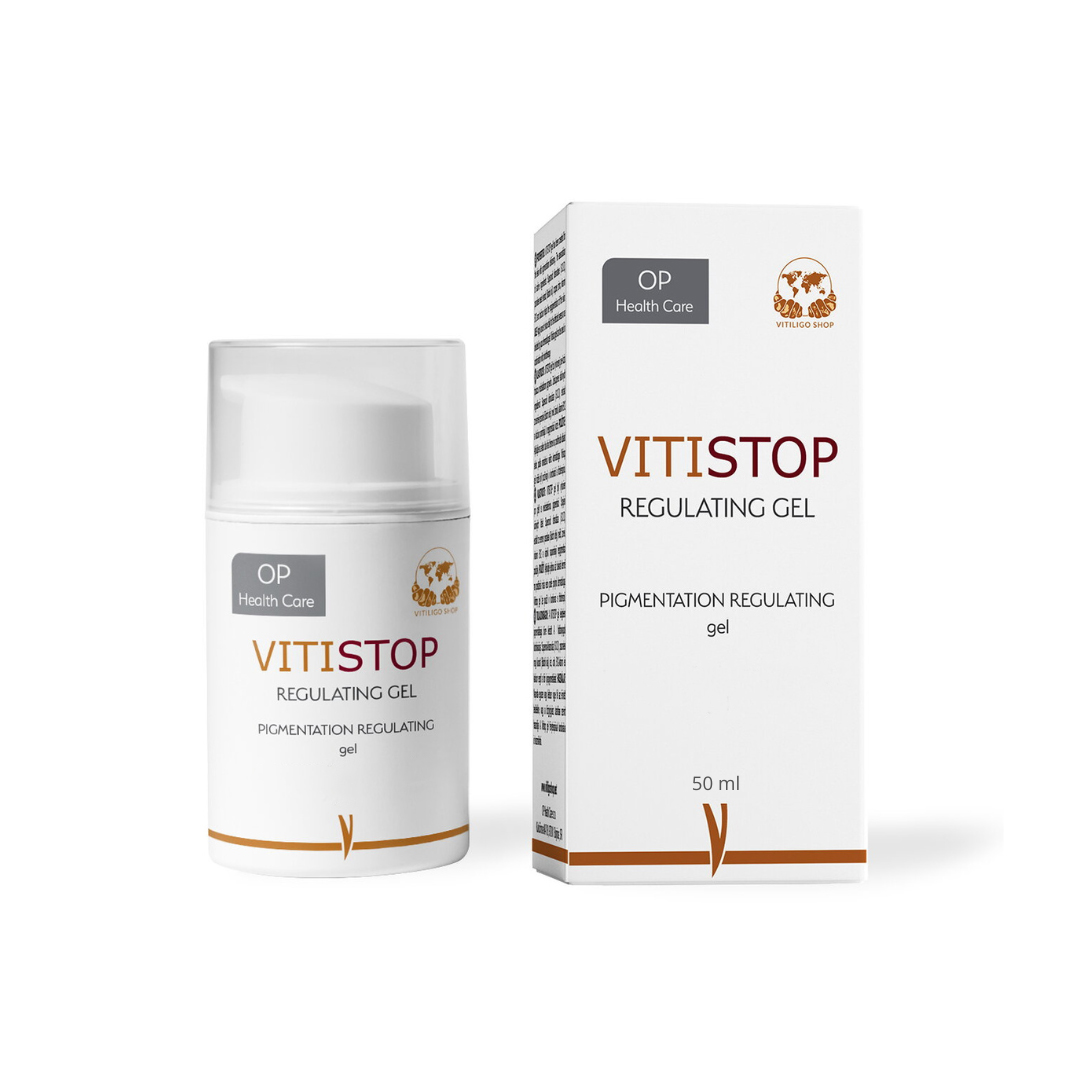
Babchi oil (Psoralea seed oil) stimulates melanocytes to synthesize melanin, the pigment responsible for skin color. It is the active base of Vitistop Gel, which combines Superoxide Dismutase (SOD), Psoralea seed oil, copper, zinc, and vitamins B5 and B12 to support skin pigmentation.
Traditional medicine also points to several other natural remedies for improving skin appearance in vitiligo:
- Nimbos oil — reported to help with pigmentation loss and reduce the visibility of white spots.
- Parasca — extracts from parasca fruits are used both internally and externally in pigmentation disorders.
- Psoralea corylifolia (babchi) — seeds from this plant, used externally, show a beneficial effect against vitiligo.
The Greatest Hope: Ginkgo Biloba

Ginkgo biloba is one of the oldest known tree species, long used to support memory, circulation, and a range of health conditions. In relation to vitiligo, ginkgo extract has been repeatedly shown to have antioxidant and immunomodulatory properties. Studies suggest it may slow or stop skin depigmentation. Results vary among patients, but the clinical findings are considered promising.
Caution with Immunostimulating Herbs
Because vitiligo is an autoimmune condition, people with vitiligo need to be careful with certain herbs. Plants such as echinacea, spirulina, goldenseal, and astragalus have immunostimulating properties — they are designed to boost immune function. In vitiligo, where the immune system attacks melanocytes, these herbs may accelerate disease progression in predisposed individuals.
Some studies suggest that echinacea in particular can exacerbate autoimmune disorders. While the evidence is not yet conclusive, its use is not recommended for people with autoimmune conditions.
Herbal remedies can complement vitiligo management but are not a substitute for proven treatments. Always consult a dermatologist before adding new supplements, especially if you have other autoimmune conditions.